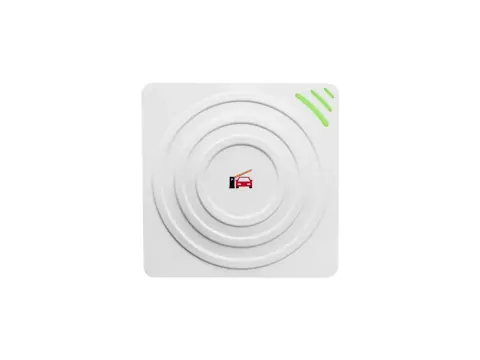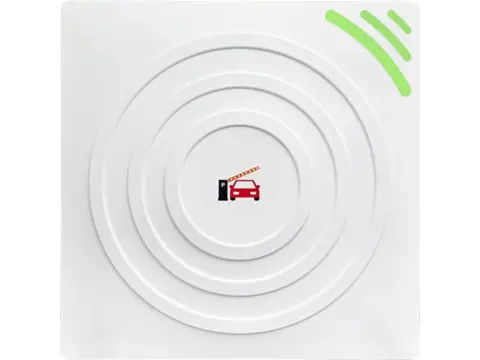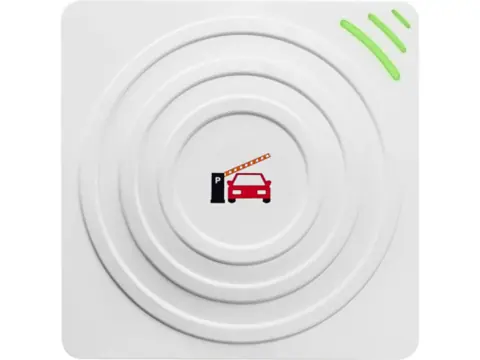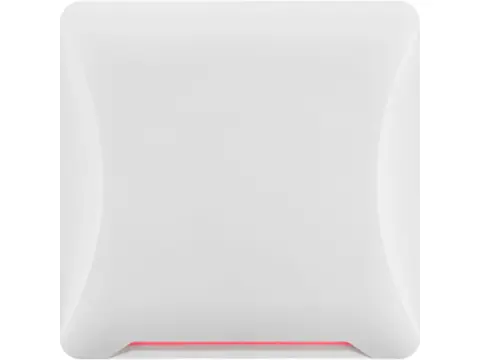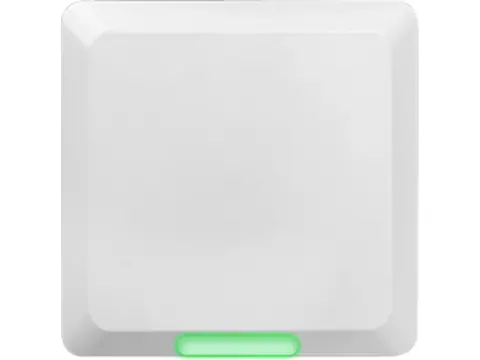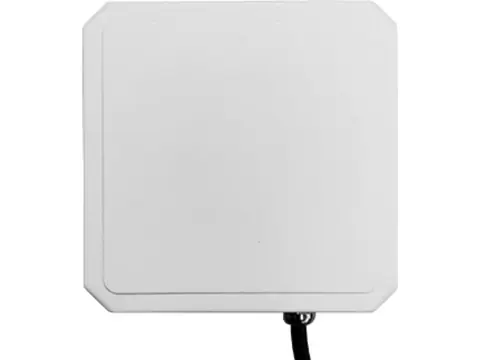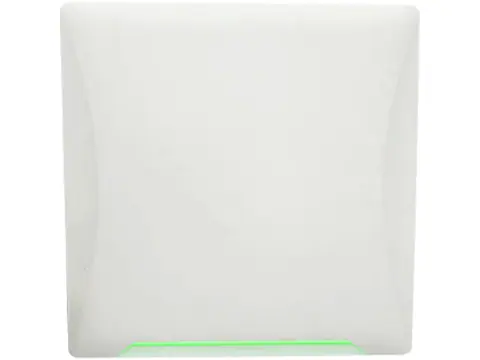
30 m Long-Range UHF RFID Reader for Parking, IP66
IP66 integrated UHF reader that identifies vehicle tags at up to 12 m (9 dBi) or 30 m (12 dBi), with Wiegand 26/34, RS485, USB and optional TCP/IP.
Send us your controller model, card type and install environment. We'll shortlist compatible hardware and quote within 24 hours.
Readers with built-in antennas for parking, gates and other single read points. Wiegand, serial, network and standalone-relay options vary by model; select the actual lane configuration.
IP66 integrated UHF reader that identifies vehicle tags at up to 12 m (9 dBi) or 30 m (12 dBi), with Wiegand 26/34, RS485, USB and optional TCP/IP.
IP66 all-in-one UHF reader and access controller: stores 5,000 users, controls the gate lock, opens by Bluetooth and reads tags at up to 10 m or 20 m.
445 mm IP66 integrated UHF reader with a 12 dBi linear antenna that reads vehicle tags at 10–20 m and reports over Wiegand, RS485 or optional TCP/IP.
309 mm integrated UHF reader that reads EPC Gen2 cards and tags at 2–10 m, with Wiegand and RS485 output, IP66 housing and a TCP/IP plus Bluetooth option.
Lower-cost integrated UHF reader for parking lanes: up to 10 m (9 dBi) or 15–20 m (12 dBi), with Wiegand 26/34, RS485, USB and optional TCP/IP.
220 × 220 × 40 mm EPC Gen2 UHF reader with a 5 m read range for parking and gate lanes, Wiegand, USB and RS485 output, and an optional RJ45 TCP/IP version.
Compact 128 × 128 × 40 mm UHF reader with a 3 m read range, metal rear shell and IP65 rating, outputting Wiegand, USB and RS485, with an optional TCP/IP version.
An integrated reader puts the antenna and RF electronics in one mounted unit. The LR range covers compact mid-range devices and larger lane readers, with IP65 or IP66 ratings stated on the relevant products. Choose from the required read zone and mounting position rather than the highest range figure.
Most models can pass a credential to an access panel through Wiegand or a supported serial connection. LR-150 adds a local user database and relay for standalone access. Confirm whether your barrier will receive a credential from a panel or a relay signal from the reader.
Test tags in the installed position, including vehicles whose glass or body changes reception. Align enrollment output with the lane reader’s selected tag bytes. The UHF Wiegand wiring guide covers the interface and number-format checks.
Compare UHF RFID reader bands by country, including US, EU, UK, China, India and Japan. Understand ERP, EIRP, channel conditions and radio approvals.
Wire a UHF reader's D0, D1 and ground to your controller, match 26/34-bit Wiegand, size 12 V power and trigger the barrier by relay. Diagrams included.
Yes, RFID works on metal with tags built for it. See why metal detunes standard tags, compare ABS, PCB, ceramic and label tags, and test read range properly.
Plan an RFID vehicle access control system: UHF windshield tags, long-range lane readers, Wiegand controllers and barrier triggering. Lane BOM and samples.
Plan RFID for warehouse management: fixed readers and circular antennas at dock doors, conveyor tunnels, handheld cycle counts and on-metal asset tags.
Build an RFID asset tracking system: on-metal, ceramic and tie-on tags matched to each asset, handheld audits, smart cabinets and IP67 HF heads for tooling.
No. LR-150 lists standalone access control with a relay. Check other LR models’ output specifications before planning direct barrier control.
Choose a model that can reliably cover the intended lane while excluding adjacent lanes and waiting vehicles. A sample test is more useful than comparing headline range alone.
Wiegand output is a configured number format and may use only selected tag data. Confirm the bit length and byte selection, then match enrollment to that output.
Send your card type, interface and quantity. You get a quote, lead time and compatibility notes within 24 hours — samples available for most items.