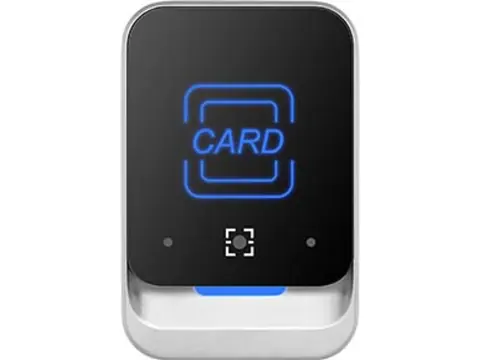
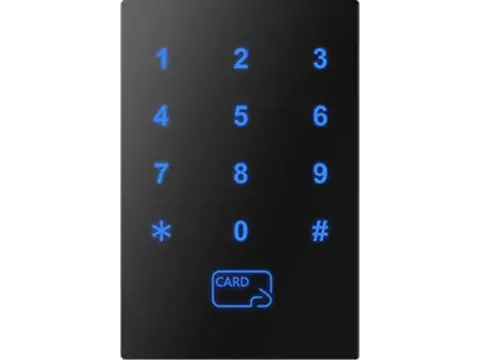
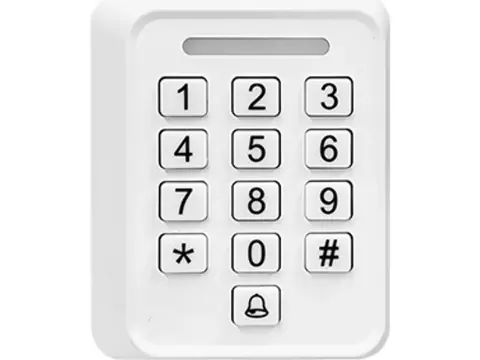
IP67 Waterproof Metal Access Control Keypad
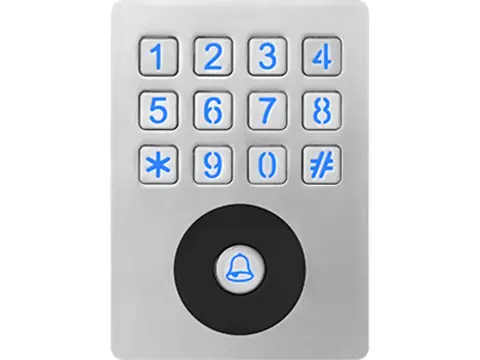
All-metal IP67 keypad controller with 5,000 users, a short-circuit-protected lock relay and Wiegand output. Reads 125 kHz EM or 13.56 MHz MIFARE at 3–5 cm.
Send us your controller model, card type and install environment. We'll shortlist compatible hardware and quote within 24 hours.
Controllers and terminals that manage credentials at the door and switch a lock relay. Choose a card/PIN keypad, phone-enabled controller, QR terminal, face terminal or networked board by enrollment method, software and door count.
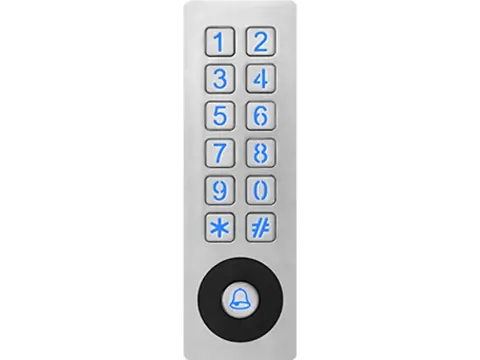
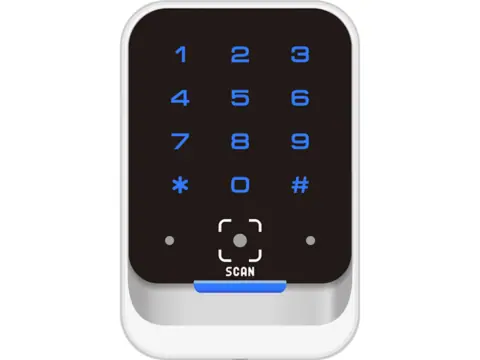
All-metal IP67 keypad controller with 5,000 users, a short-circuit-protected lock relay and Wiegand output. Reads 125 kHz EM or 13.56 MHz MIFARE at 3–5 cm.
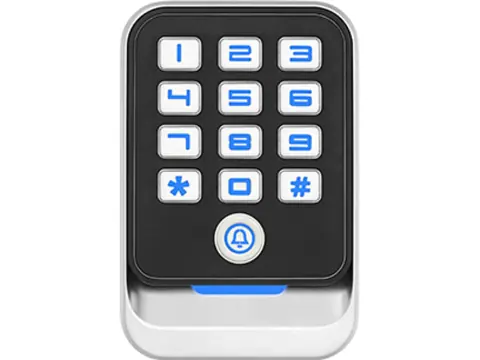
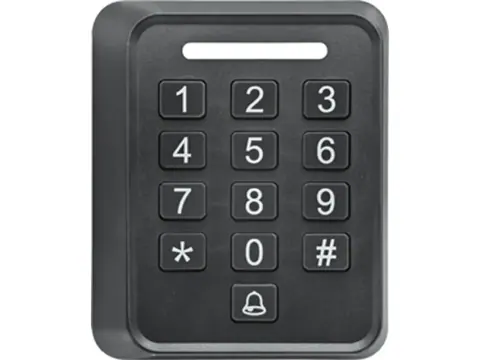
IP65 metal keypad with physical keys that stores 5,000 users and drives the lock relay itself. 125 kHz EM, 13.56 MHz MIFARE and encrypted CPU-card versions.
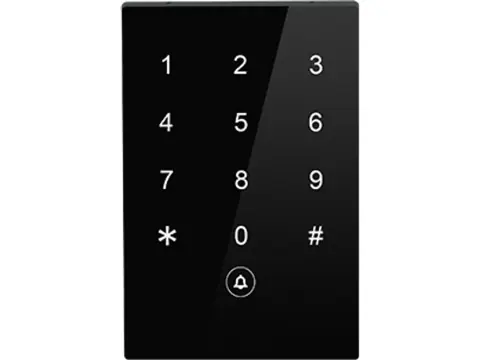
Touch-panel keypad controller that stores up to 5,000 users and switches its own lock relay. Choose 125 kHz EM, 13.56 MHz MIFARE or an anti-copy 13.56 MHz build.
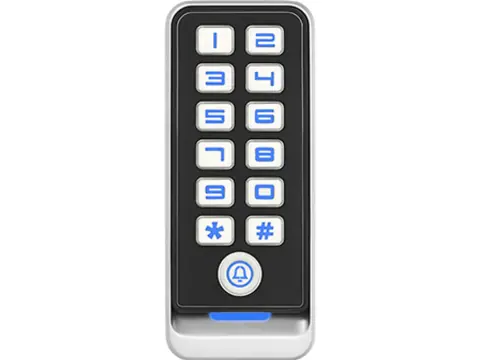
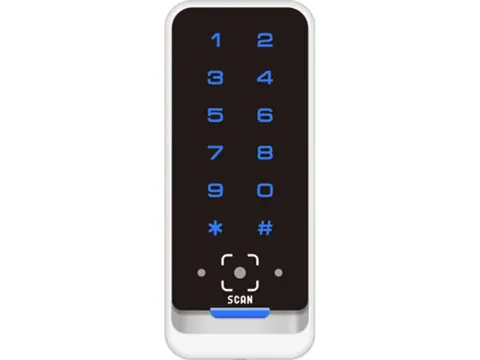
IP67 all-metal mullion keypad, 160 × 50 mm, with 5,000 users, a lock relay and Wiegand output. Reads 125 kHz EM or 13.56 MHz MIFARE cards at 3–5 cm.
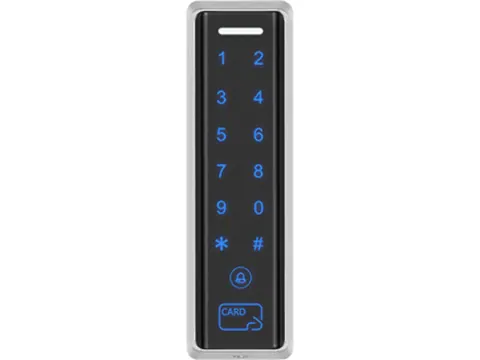
Slim 153 × 45 mm IP65 touch keypad controller for mullions and narrow frames. Stores 5,000 users, drives its own relay and can switch to Wiegand reader mode.
Narrow 138 × 58 mm IP65 metal keypad holding 5,000 users. Opens by card, PIN or both, drives its own lock relay and can switch to Wiegand reader mode.
Compact offline keypad controller for 2,000 users, in black or white with no logo. 125 kHz EM4xxx or 13.56 MHz ISO/IEC 14443 A/B versions.
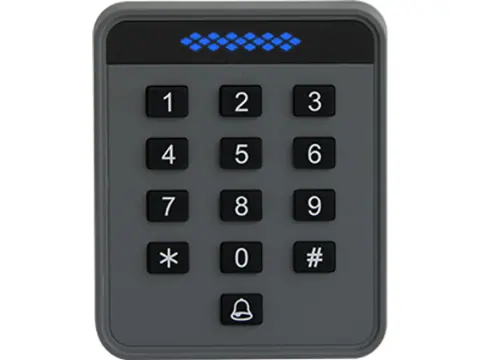
Plastic-housed keypad controller for indoor doors: 1,000 users, card, PIN or card + PIN, a simple 9-wire harness and a white or grey shell.
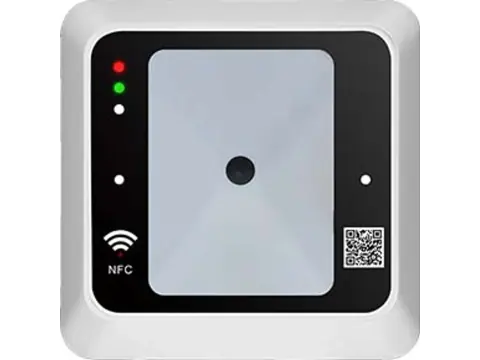
86 × 86 mm all-in-one that opens by phone QR code, Bluetooth 5.0, 125 kHz or 13.56 MHz card. Onboard relay plus Wiegand 34, RS485, USB and TCP/IP. IP55.
Cellular 4G LTE Cat-1 door controller that manages users from the cloud and opens by QR code, Bluetooth 5.0 or 125 kHz/13.56 MHz card. IP55, relay output.
Standalone touch-keypad door controller that opens by PIN, 125 kHz or 13.56 MHz card, or phone over Bluetooth 5.0. IP55, onboard relay, fire-alarm input.
Offline keypad controller that opens by 13.56 MHz card, PIN or Bluetooth phone, stores 5,000 users and offers Wiegand. Black or white, 103 × 86 × 20 mm.
Card-and-phone door controller for sites without a LAN: 4G LTE to the cloud, Bluetooth 5.0 phone entry, 13.56 MHz ISO/IEC 14443A cards, relay output, IP55.
120 × 80 mm metal-frame QR code access controller with glass touch keypad. Reads dynamic QR codes and 13.56 MHz cards; switches a relay or outputs Wiegand/RS485.
Narrow 138 × 58 mm QR code access controller for door frames and mullions. Reads dynamic QR codes and 13.56 MHz cards; drives a relay or outputs Wiegand/RS485.
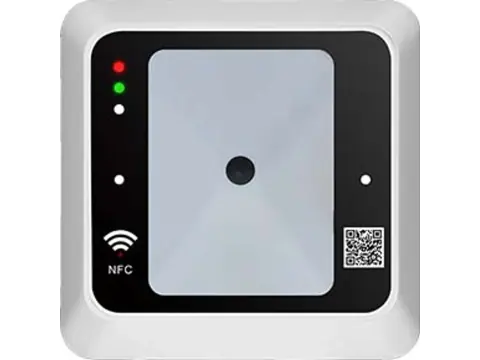
86 × 86 mm QR code and 13.56 MHz card controller with onboard relay and Wiegand 34, RS485 and USB outputs. Reads dynamic QR codes from phones or paper.
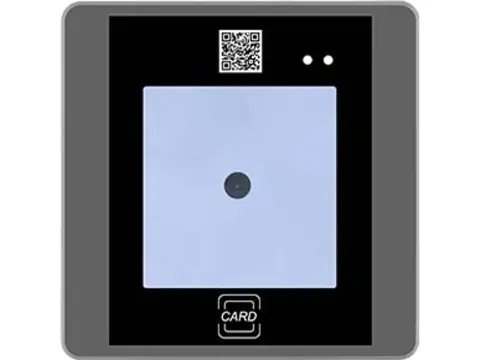
87 × 87 mm square controller that reads dynamic QR codes and 13.56 MHz cards, switches a NO/COM/NC relay and outputs Wiegand 34 or RS485. Tempered-glass front.
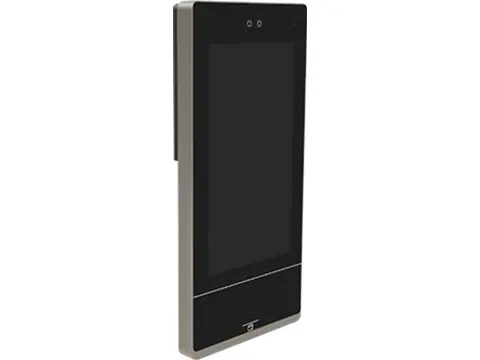
IP65 terminal with 7-inch touchscreen, binocular face camera and under-display optical fingerprint sensor. 10,000 users, 300,000 logs, IC/CPU cards, video intercom link.
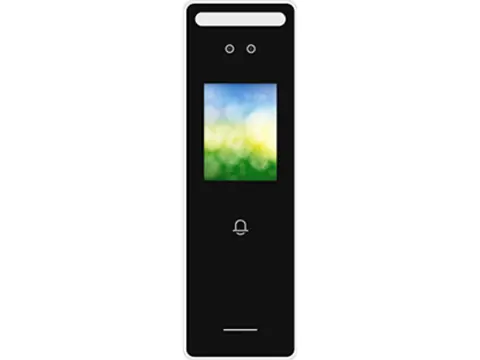
Narrow CNC-machined metal face terminal, IP65, with visible-light binocular camera, 2.4-inch screen and encrypted IC/CPU card reader. Wiegand in/out, TCP/IP.
Linux face recognition terminal with 5-inch touchscreen, binocular camera and encrypted IC/CPU card reader. 10,000 users, 100,000 logs, TCP/IP, Wiegand in/out.
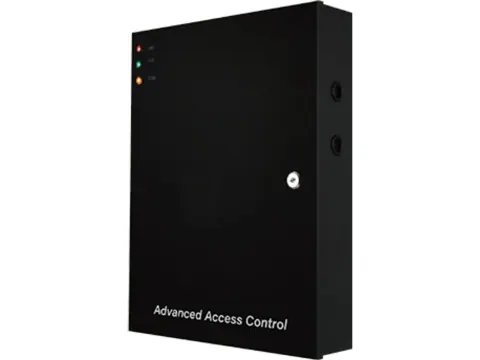
Networked controller board for one or two doors with TCP/IP and RS485 host links, Wiegand entry/exit readers, 5 A lock relays and storage for 30,000 cards.
An access controller decides who may enter and provides the output that releases the lock. The products here cover local single-door operation, app-managed entrances, biometric verification and centrally managed doors. Several devices also have Wiegand output for connection to a separate panel; confirm the operating mode before choosing the wiring scheme.
Standalone keypads store users locally and accept cards, PINs or a combination. They suit doors where staff can manage enrollment at the device. Pick the actual credential variant, then compare user capacity, housing and reset procedure. A common enclosure does not mean every version reads the same cards.
Bluetooth and cloud controllers add phone-based access. Some use Bluetooth locally; others add Ethernet or a cellular connection. The app, account setup, mobile credential process and destination-country network support are part of the specification. Confirm these alongside the hardware, especially for a site without a wired network.
QR controllers combine a scanner, card reader and relay. Dynamic visitor codes need a compatible issuing platform and agreed expiry rules. Scanning a code alone does not establish whether it is valid. Face terminals add enrollment and biometric matching; compare the exact storage, installation environment and available card fallback.
For centrally managed projects, the NC-110 board has one-door and two-door versions with Wiegand reader inputs and Ethernet or RS485 host connections. Software support and card-number format still need checking against the existing system.
Pair the selected controller with the lock, request-to-exit device, door contact and power supply. Relay contacts switch a circuit; they do not establish the power budget. Include lock load, reader load and cable losses in the installation plan. Agree how enrollment, backup, lost credentials and administrative access will work before rolling the same configuration out to more doors.
Compare Wiegand, OSDP and RS485 reader interfaces: wiring, cable limits, AES-128 Secure Channel and steps for a compatible access-control migration.
Maglock wiring with dry-relay COM/NC: keypad and reader diagrams, REX signals, approved egress release paths and manufacturer-specific suppression.
A fail-safe lock releases when power is cut; a fail-secure lock stays locked. Learn which to use per door, how to wire NO/NC, and what egress codes expect.
Plan an RFID vehicle access control system: UHF windshield tags, long-range lane readers, Wiegand controllers and barrier triggering. Lane BOM and samples.
Apartment building access control hardware: anti-clone readers with matched fob sets, QR visitor codes, 4G controllers for rentals and UHF tags for gates.
Turnstile card readers, QR scanners and face terminals for tripod, swing and speed gates, with Wiegand, RS485, RS232 or TTL output to the gate board.
Standalone keypads and selected phone, QR and face devices can operate the door locally. A networked board still requires readers and management setup. Check the chosen product’s relay wiring and user-management method.
No. An input receives a credential from an external reader; an output passes a credential to another controller. Products differ in which directions they support, so check the interface table and operating mode.
Software and app availability depend on the model and region. Specify your existing platform or required workflow so the supported package, enrollment process and integration documentation can be confirmed.
Use the selected controller’s electrical specification, then add readers and locks served by that supply. A relay contact rating is a switching limit, not a measure of the controller’s power consumption.
Send your card type, interface and quantity. You get a quote, lead time and compatibility notes within 24 hours — samples available for most items.