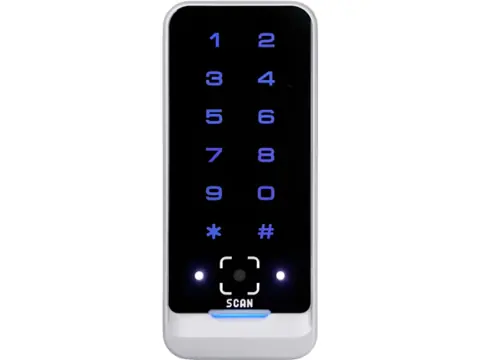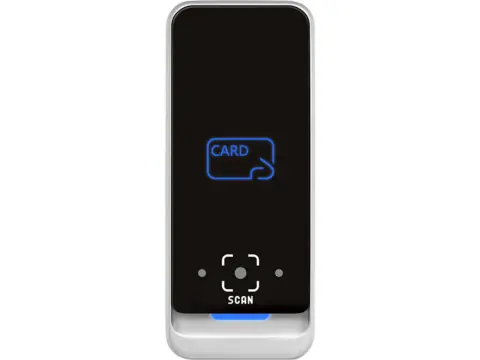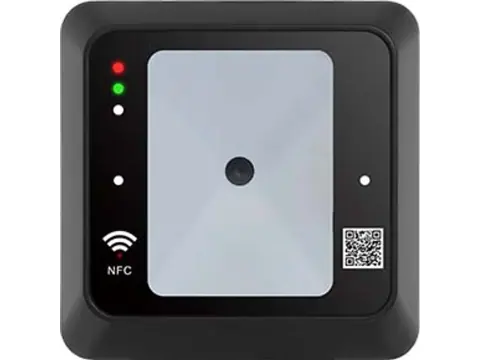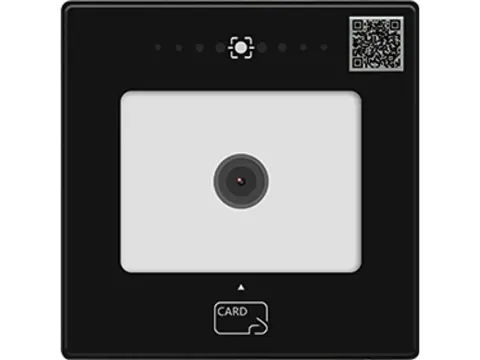
Access Control Card Readers

Reader-mode card, keypad and QR readers that pass credential data to the controller, turnstile or elevator board already on site. Choose 125 kHz EM, 13.56 MHz MIFARE-family, encrypted cards or QR; Wiegand 26/34/66, RS485 or OSDP v2.2 output; and mullion, 86 mm or IP65/IP67 housings. TP-110 has supplier-reported Ex ia markings; ATEX/IECEx certification remains unverified.

40 product families · samples available · reply within 24 h

Wiegand Card & Keypad Readers

View 21
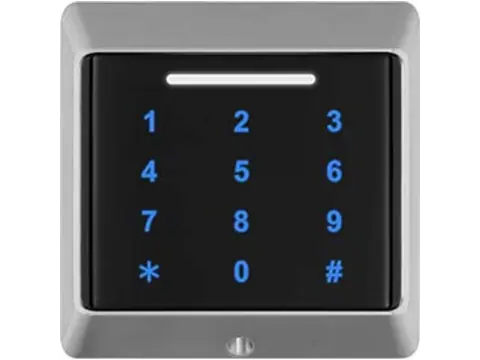
CR-180

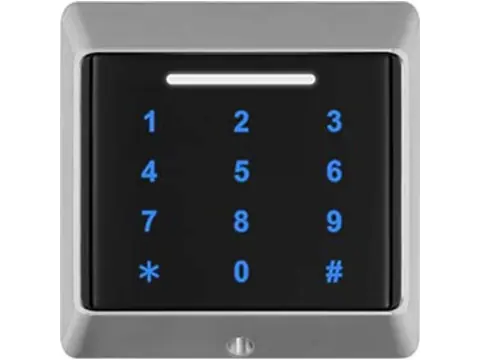
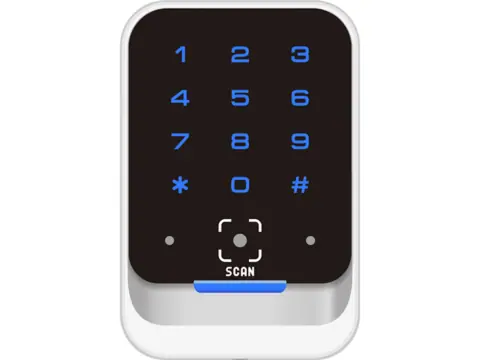
Touch Keypad RFID Card Reader, Wiegand 26/34/66

Square 89.5 mm touch-keypad reader for card plus PIN, reading up to 9 cm, in EM, MIFARE, sector-read, FeliCa and dual-frequency versions with Wiegand output.

125 kHz, 13.56 MHz or dual (by version)Wiegand 26/34/66Up to 9 cm
Details →
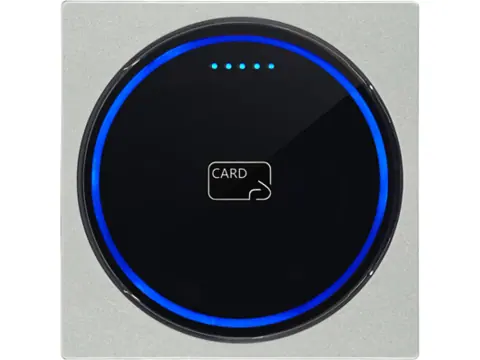
CR-300

OSDP & Wiegand Metal Card Reader, 125 kHz + 13.56 MHz + BLE

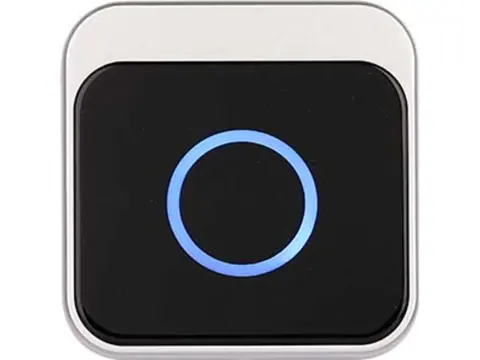
Slim 86 × 86 mm metal reader with OSDP v2.2, RS485, Wiegand and Bluetooth LE 5.3. Reads 125 kHz EM plus MIFARE, DESFire EV1–EV3, ICODE and FeliCa; IP65.

125 kHz + 13.56 MHz + 2.4 GHz (BLE 5.3)OSDP v2.2, RS485, Wiegand0–3 cm
Details →
CR-190

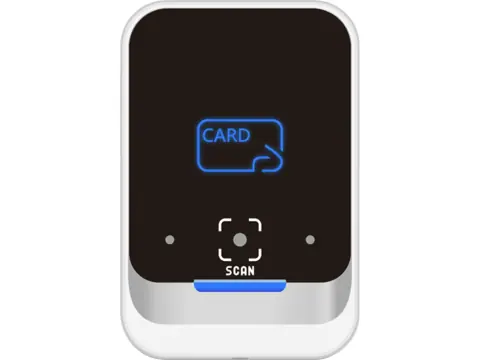
Wiegand 26/34 RFID Card Reader, EM, MIFARE or Dual

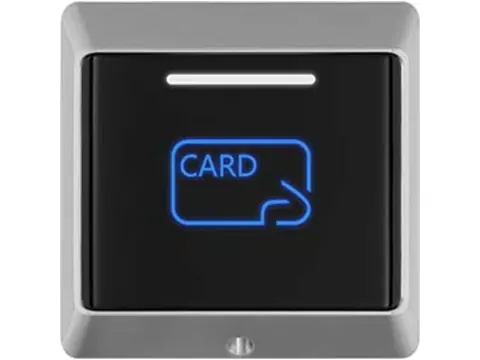
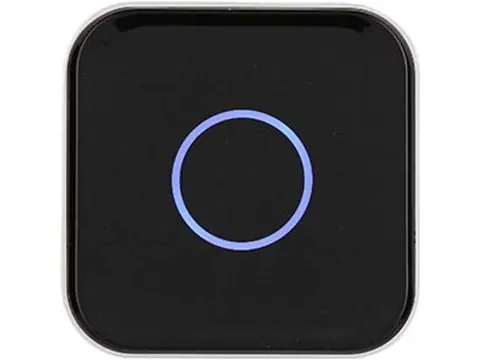
Card-only 89.5 mm square reader with Wiegand 26/34 output (66 on upper tiers), in EM, MIFARE, sector-read, FeliCa and dual-frequency versions.

125 kHz, 13.56 MHz or dual (by version)Wiegand 26/34/6612 V DC ±5%, ≤ 200 mA
Details →
CR-130

Metal Keypad Wiegand Card Reader with Doorbell Button

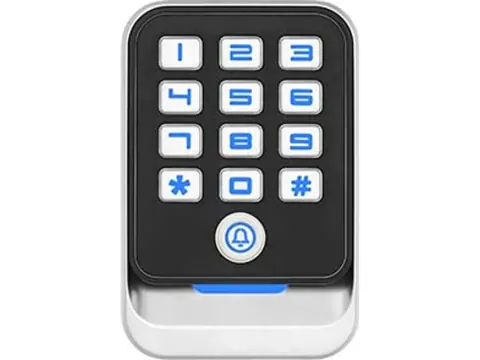
Card-plus-PIN reader in a 120 × 80 mm metal housing with physical keys, a doorbell button and Wiegand 26/34/66 output to your controller.

125 kHz (-E) or 13.56 MHz (-M, -MS, -MS-FC)Wiegand 26/34; 66 on -MS tiersPhysical keys + doorbell button
Details →
CR-310

Industrial IP65 RFID Card Reader, Wiegand/RS485 + Bluetooth

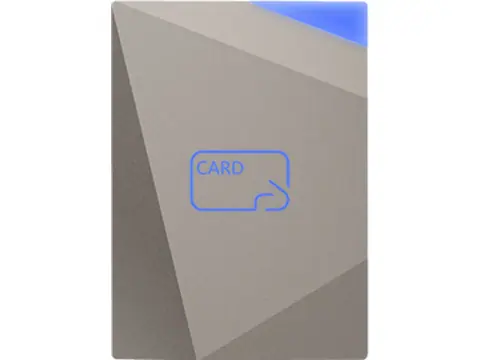
Faceted metal reader for harsh sites: –40 to +85 °C, IP65, 125 kHz + 13.56 MHz, Wiegand 26/34 and RS485, optional Bluetooth LE 5.1. Card-only or touch keypad.

13.56 MHz (-M) or 125 kHz + 13.56 MHz (-D)Wiegand 26/34, RS485; BLE 5.1 on BT versions–40 to +85 °C
Details →
CR-120

Metal Wiegand 26/34 Card Reader, 125 kHz or 13.56 MHz

Keyless 120 × 80 mm metal reader for EM or MIFARE cards. Outputs Wiegand 26/34 (66 on upper tiers) and is set up by swiping a configuration card.

125 kHz (-E) or 13.56 MHz (-M, -MS, -MS-FC)Wiegand 26/34; 66 on -MS tiers12 V DC ±5%, ≤ 200 mA
Details →
CR-160

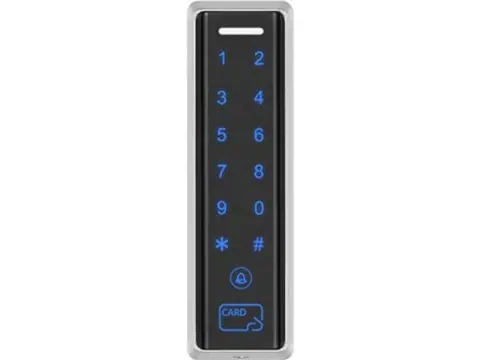
Mullion Touch Keypad Card Reader with Doorbell, Wiegand

Slim 153 × 45 mm mullion reader with touch keypad and doorbell key, in 125 kHz EM or 13.56 MHz MIFARE versions with Wiegand 26/34/66 output.

125 kHz (-E) or 13.56 MHz (-M, -MS, -MS-FC)Wiegand 26/34; 66 on -MS tiersTouch keys + doorbell key
Details →
CR-230

Metal Wiegand Card Reader, 125 kHz / 13.56 MHz / LEGIC

Keyless 93 mm metal reader with Wiegand 26/34/66 output. Five versions cover 125 kHz EM, MIFARE-family UIDs, protected sector data, FeliCa numbers and LEGIC cards.

125 kHz (-E) or 13.56 MHz (all other versions)Wiegand 26/34; 66 on -MS versions; 34 on -LGEM4100/EM4200, MIFARE, DESFire, NTAG, ICODE, iCLASS CSN, FeliCa, LEGIC
Details →

Encrypted Anti-Clone Readers

View 5
AX-130

Encrypted Access Control Card Reader, Anti-Clone, 86 mm

Card-only 13.56 MHz reader for encrypted anti-copy cards: up to 8 cm range, sub-120 ms response, Wiegand 26/34/66 output and an 86 × 86 mm housing.

13.56 MHz, ISO/IEC 14443AEncrypted anti-copy cardsWiegand 26/34/66
Details →
AX-110

Anti-Clone Encrypted Keypad Card Reader, IP67, Wiegand

Touch-keypad 13.56 MHz reader for encrypted anti-copy cards, with an IP67 housing, Wiegand 26/34/66 output and card validity and use-count control.

13.56 MHz, ISO/IEC 14443ATouch keypadWiegand 26/34/66
Details →
AX-120

Anti-Clone Encrypted Card Reader, IP67, Wiegand 26/34/66

Card-only encrypted 13.56 MHz reader in an IP67 housing: anti-copy cards, Wiegand 26/34/66 output, up to 7 cm range and card validity control.

13.56 MHz, ISO/IEC 14443AEncrypted anti-copy cardsWiegand 26/34/66
Details →
AX-140

Anti-Copy Encrypted Touch Keypad Card Reader, 93 mm

Touch-keypad encrypted card reader in a 93 mm square housing: anti-copy cards, Wiegand 26/34/66, sub-120 ms response and a standalone card-issuing program.

13.56 MHz, ISO/IEC 14443ATouch keypadWiegand 26/34/66
Details →
AX-150

Anti-Copy Encrypted Card Reader, 93 mm Square, Wiegand

Card-only encrypted 13.56 MHz reader in a 93 mm square housing, with anti-copy cards, Wiegand 26/34/66 output and a standalone card-issuing program.

13.56 MHz, ISO/IEC 14443AEncrypted anti-copy cardsWiegand 26/34/66
Details →

Tamper-Proof & Explosion-Proof Readers

View 5
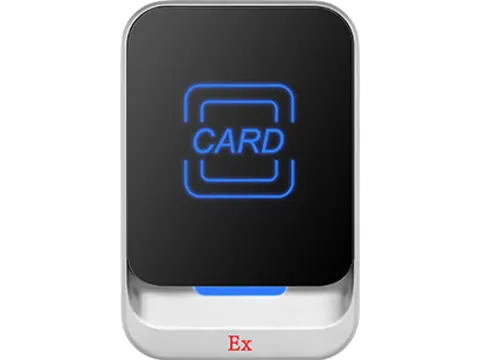
TP-110

Dual-Frequency Card Reader, Reported Ex ia Marking

Dual-frequency card reader with supplier-reported Ex ia gas/dust markings, Wiegand 34/66 or RS485 and potted metal housing. ATEX/IECEx certification remains unverified.

Ex ia IIC T6 Ga / Ex ia IIIC T200 85 °C Da125 kHz + 13.56 MHzWiegand 34/66, RS485
Details →
TP-140

IP65 Tamper-Proof Dual-Frequency Card Reader, 93 mm

Dual-frequency 125 kHz + 13.56 MHz tamper-alarm reader, 93 mm square, IP65, reading EM cards through to encrypted CPU cards with Wiegand or RS485 output.

125 kHz + 13.56 MHzWiegand, RS4850–3 cm
Details →
TP-130

IP65 Tamper-Proof 13.56 MHz Card Reader, Wiegand/RS485

13.56 MHz-only tamper-alarm reader in an IP65 86 mm housing: reads encrypted CPU card content, DESFire and NFC tags, outputs Wiegand or RS485.

13.56 MHzISO/IEC 14443A/B, ISO/IEC 18092Wiegand, RS485
Details →
TP-150

Tamper-Proof 13.56 MHz Card Reader, Metal Frame, IP65

13.56 MHz tamper-alarm reader with a metal middle frame for metal mounting surfaces: IP65, 93 mm square, encrypted CPU card reading, Wiegand or RS485.

13.56 MHzMetal middle frame for metal surfacesWiegand, RS485
Details →

QR Code & RFID Readers

View 9
QC-170

OSDP QR Code & RFID Reader, 125 kHz/13.56 MHz + BLE

Ultra-thin IP65 metal reader that scans QR and dynamic QR codes, reads 125 kHz and 13.56 MHz credentials and BLE 5.3, and outputs Wiegand, RS485 or OSDP v2.2.

QR / 1D codes, 125 kHz + 13.56 MHz cards, BLE 5.3Wiegand, RS485, OSDP v2.2Codes 3–14 cm; cards 0–3 cm
Details →
QC-180

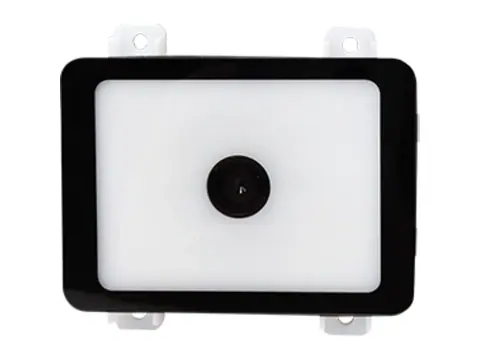
QR Code Reader Module for Turnstiles, 13.56 MHz, IP65

Embedded IP65 QR code and 13.56 MHz card module for turnstiles and kiosks, with 3–20 cm QR range, 9–24 V DC input and Wiegand + USB plus RS485, RS232 or TTL.

QR / 1D codes + 13.56 MHz cardsWiegand + USB + RS485 / RS232 / TTLQR 3–20 cm; cards 0–5 cm
Details →
QC-110

IP67 QR Code & 13.56 MHz Card Reader with Touch Keypad

IP67 metal-frame reader that scans printed or on-screen QR codes and 13.56 MHz card UIDs, with a touch keypad and Wiegand, RS485 and USB outputs.

QR / 1D codes + 13.56 MHz card UIDWiegand, RS485, USB5–18 cm
Details →
QC-130

IP67 Metal QR Code & 13.56 MHz Card Reader, Keyless

Keyless 120 × 80 mm IP67 reader for QR codes and 13.56 MHz card UIDs, with dual fill lights and Wiegand, RS485 and USB outputs to your existing controller.

QR / 1D codes + 13.56 MHz card UIDWiegand, RS485, USB5–18 cm
Details →
QC-120

Mullion IP67 QR Code & 13.56 MHz Reader with Touch Keypad

Narrow 138 × 58 mm mullion reader that scans QR codes and 13.56 MHz card UIDs through an IP67 glass front, with touch keypad and Wiegand, RS485 and USB outputs.

Mullion, 138 × 58 × 22.67 mmQR / 1D codes + 13.56 MHz card UIDWiegand, RS485, USB
Details →
QC-140

Slim Mullion IP67 QR Code & 13.56 MHz Card Reader

Keyless 138 × 58 mm mullion reader that decodes QR codes and 13.56 MHz card UIDs behind an IP67 glass front, with Wiegand, RS485 and USB outputs.

Mullion, 138 × 58 × 22.67 mmQR / 1D codes + 13.56 MHz card UIDWiegand, RS485, USB
Details →
QC-160

QR Code & 13.56 MHz Card Reader with Relay, Optional TCP/IP

86 × 86 mm QR code and 13.56 MHz card reader with 80 ms average decode, relay contacts and Wiegand, RS485 and USB outputs; a TCP/IP Ethernet version is available.

QR / 1D codes + 13.56 MHz card UIDWiegand, RS485, USB, relay; TCP/IP on QC-160-M-NET80 ms (average)
Details →
QC-190

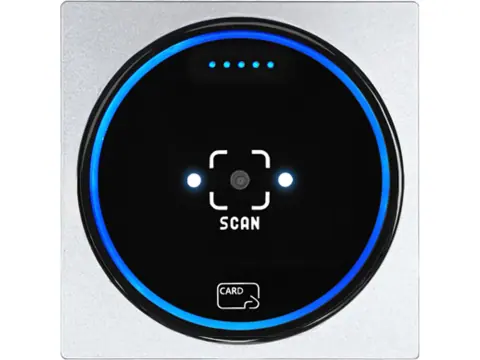
86-Box QR Code & NFC Card Reader, Glass Panel, IP54

86 × 86 mm black glass-panel reader for QR codes and 13.56 MHz cards, with MIFARE sector encryption, chasing-light LEDs, IP54 and Wiegand + USB plus a serial port.

QR / 1D codes + 13.56 MHz cardsMIFARE sector encryption, CPU card contentWiegand + USB + RS485 / RS232 / TTL
Details →
Buyer's notes

How to choose readers

Every reader in this category is a reader-mode device. It captures a card, PIN or QR code and sends the result to an access controller, turnstile board or elevator panel, which holds the user list and decides whether to open. For a side-by-side overview of reader types, see Types of Access Control Card Readers.

Start with the credential

  • 125 kHz EM: EM4100/EM4200-family cards and fobs. They are low cost and read-only, and they are easy to copy. Our 125 kHz models read EM-family IDs. HID Prox-type cards also run at 125 kHz but use a different modulation and data format, and they are not on the supported list.
  • 13.56 MHz ISO/IEC 14443A: MIFARE Classic, Ultralight, NTAG, DESFire and CPU cards. A UID-mode reader sends only the card serial number. Sector or secure-read tiers authenticate with a key before reading protected data. Selected models also read ISO/IEC 15693 UIDs, FeliCa numbers, LEGIC cards, or the iCLASS card serial number (CSN) only.
  • Dual-frequency: reads both bands at one door, useful while a site moves from 125 kHz to 13.56 MHz. 125kHz vs 13.56MHz covers the trade-offs.
  • Encrypted card sets and QR codes: anti-copy cards issued under the reader's key, or printed and phone-screen codes validated by your platform.

Match the controller interface

Wiegand 26 carries 24 data bits (an 8-bit facility code and a 16-bit card number) between an even and an odd parity bit. Wiegand 34 carries 32 data bits, enough for a 4-byte MIFARE UID. Upper tiers of most families add Wiegand 66, which only helps if your controller accepts 66-bit frames. If a 32-bit UID is sent as Wiegand 26, it is truncated. The number the controller sees may then differ from the one your enrollment reader shows. Wiegand 26-Bit Format Explained walks through the bit layout.

RS485 is only an electrical layer, so "RS485 output" doesn't mean your panel understands the reader's protocol. Two multi-technology models support OSDP v2.2, which is bidirectional, multi-drop and supervised. With Secure Channel it also encrypts the reader-to-panel link, which Wiegand cannot do. See Wiegand vs OSDP vs RS485 for distances and wiring.

Housing, mounting and environment

  • Form factor: mullion bars for narrow frames, 86–93 mm squares for 86-type wall boxes, 120 × 80 mm metal, glass-panel fronts, and an embedded QR module for turnstiles.
  • Ingress: IP65 is dust-tight and protected against water jets. IP67 adds temporary immersion. Models with no stated rating belong indoors or under a cover.
  • Temperature: most models run from –20 or –10 °C up to +60 or +65 °C. One industrial metal reader is rated –40 to +85 °C.
  • Metal surfaces: steel frames can shorten 13.56 MHz read range, so choose a model with a metal mid-frame or anti-metal design for metal mounting.
  • Power: most readers take 12 V DC at ≤ 200 mA. Others accept 9–15 V DC, 9–24 V DC or 7–24 V DC. Allow for voltage drop on long cable runs.
  • Hazardous areas: TP-110 has supplier-reported Ex ia gas and dust markings, but no verified ATEX or IECEx certificate is available in our current records. Specific zone suitability, certified ambient conditions and the claimed barrier-free arrangement remain unverified.
Learn & apply

Guides and applications

Elevators

Elevator Access Control Readers

Elevator card readers for car panels and lift lobbies: anti-clone encrypted cards, QR codes for visitors, Wiegand or RS485 output to the floor controller.

Frequently asked questions

What is the difference between an access control reader and a standalone keypad?

A reader only captures the credential and sends it to a controller over Wiegand, RS485 or OSDP. The controller stores users, makes the decision and drives the lock. A standalone keypad stores users itself and switches the lock through its own relay. Two QR models in this range have relay contacts, but confirm their trigger logic before using them without a controller.

Will these readers work with my existing third-party access controller?

Usually, if the controller has a standard Wiegand input that accepts 26- or 34-bit frames. RS485 is only an electrical layer, so an RS485 connection works only if the reader and panel use the same protocol, such as OSDP v2.2. Send us the controller model and a sample card, and we will confirm the output setting before dispatch.

How far can a card reader be from the controller?

Wiegand is commonly specified to about 150 m (500 ft) over shielded 22 AWG cable. RS485 and OSDP run on twisted pair and can reach about 1,200 m (4,000 ft) at lower data rates. On long runs, check voltage drop on the reader supply as well; a 12 V DC reader drawing 200 mA may need a local power supply.

Can I keep using my existing 125 kHz cards?

Yes, if they are EM4100/EM4200-family cards or fobs. Choose a 125 kHz EM or dual-frequency model. HID Prox and other proprietary 125 kHz formats are not on the supported list for this range. Dual-frequency readers accept old 125 kHz and new 13.56 MHz cards at the same door during a changeover.

Can a card be cloned if the reader only reads the UID?

Yes. A 13.56 MHz UID is sent before any authentication and can be copied onto UID-writable blank cards, and 125 kHz EM IDs are even easier to copy. For anti-clone protection, use a reader that authenticates protected card data, such as encrypted card sets or CPU-card content. The Wiegand line itself is not encrypted. OSDP Secure Channel protects the reader-to-controller link when both ends support it.

What height should an access control card reader be mounted at?

In the United States, the ADA Standards limit operable parts to between 15 in (380 mm) and 48 in (1,220 mm) above the floor for an unobstructed reach, so readers are placed within that band. Other countries set their own accessibility rules, so check the local code before fixing the back box.

Sourcing readers?

Send your card type, interface and quantity. You get a quote, lead time and compatibility notes within 24 hours — samples available for most items.

Email us
sales@valenid.com

Request a quote

Tell us what you need — an engineer replies within 24 hours with pricing, lead time and compatibility notes.

We reply within 24 hours on working days. Your details are used only to answer this inquiry — see our privacy policy.