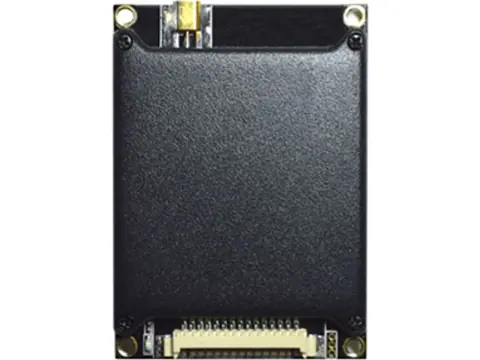
UHF RFID Reader Module, 33 dBm, UART/TTL, Single Port
Embeddable single-antenna UHF reader engine on the Impinj R2000: 0–33 dBm output, more than 700 tags/s and a 15-pin TTL UART header, in FCC and ETSI versions.
Send us your controller model, card type and install environment. We'll shortlist compatible hardware and quote within 24 hours.
Board-level EPC Gen2 engines for OEM devices, from compact low-power formats to multi-port modules. Host power, UART integration, antenna selection and final enclosure testing are part of the design.
Embeddable single-antenna UHF reader engine on the Impinj R2000: 0–33 dBm output, more than 700 tags/s and a 15-pin TTL UART header, in FCC and ETSI versions.
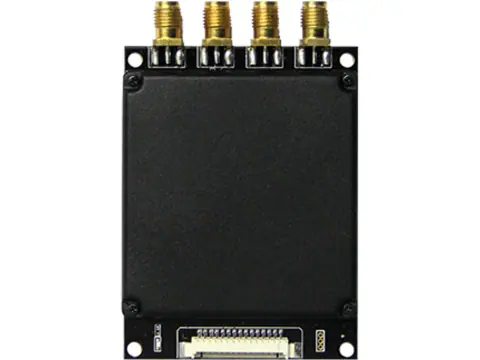
Four-antenna UHF reader engine on the Impinj R2000 for smart cabinets, shelf readers and portals: 0–33 dBm, 700+ tags/s, TTL UART, FCC and ETSI versions.
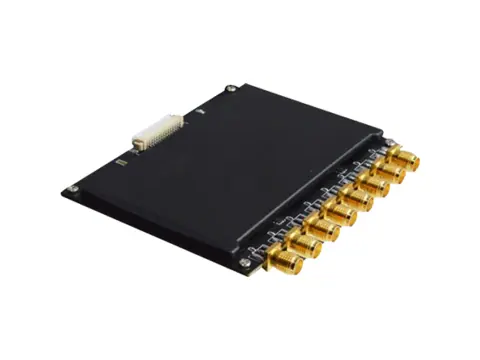
Eight-antenna UHF reader engine on the Impinj R2000 for multi-shelf cabinets and tunnel readers: 0–33 dBm, 700+ tags/s, 1,000-tag buffer, TTL UART.
One UHF reader module for both 865–868 MHz and 902–928 MHz builds: 7–30 dBm output (±1 dB), sensitivity below −85 dBm, hardware watchdog and TTL UART.
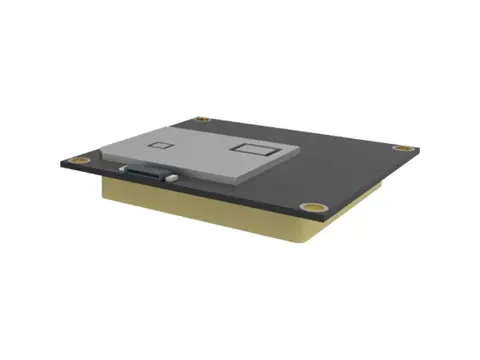
50 × 50 mm integrated UHF RFID module for handhelds and desktop card issuers: 18–26 dBm, 100–250 mA, TTL UART, reads up to 3 m with no heatsink. US and EU versions.
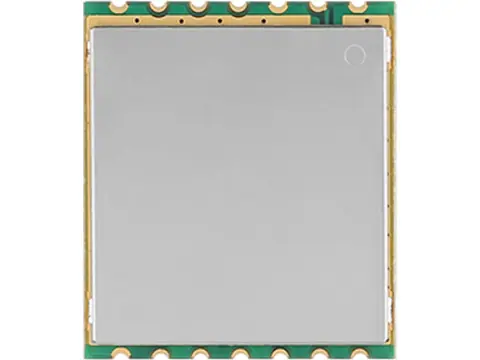
Stamp-sized 23 × 20 mm UHF RFID reader module for US-band (902–928 MHz) devices: 18–26 dBm, sensitivity below −85 dBm, TTL UART and a hardware watchdog.
UHF modules supply the radio engine for a device your team builds. The GM range includes single-, four- and eight-port configurations, plus smaller low-power boards. Choose the antenna count and read task first, then compare RF output, current demand and physical connections.
The listed modules use TTL UART command interfaces. Confirm signal voltage, baud rate, command framing and available documentation before designing the host harness. A matching UART connector does not establish that an existing firmware driver will work.
RF output and supply current differ substantially between models. Review transmit demand and heat inside the final enclosure, and match antennas to the regional band and connectors. Evaluate a sample with the intended host and antenna. The module-platform guide provides context for comparing engines beyond the headline power figure.
Compare UHF RFID reader bands by country, including US, EU, UK, China, India and Japan. Understand ERP, EIRP, channel conditions and radio approvals.
Wire a UHF reader's D0, D1 and ground to your controller, match 26/34-bit Wiegand, size 12 V power and trigger the barrier by relay. Diagrams included.
Yes, RFID works on metal with tags built for it. See why metal detunes standard tags, compare ABS, PCB, ceramic and label tags, and test read range properly.
Plan an RFID vehicle access control system: UHF windshield tags, long-range lane readers, Wiegand controllers and barrier triggering. Lane BOM and samples.
Plan RFID for warehouse management: fixed readers and circular antennas at dock doors, conveyor tunnels, handheld cycle counts and on-metal asset tags.
Build an RFID asset tracking system: on-metal, ceramic and tie-on tags matched to each asset, handheld audits, smart cabinets and IP67 HF heads for tooling.
No. GM-110 and GM-120 provide eight and four ports respectively; other GM listings use a single antenna connection.
The GM listings specify TTL UART. An RS232 host requires the appropriate interface conversion and a compatible command implementation.
No. Specify the destination and ordered band, then confirm the supported region configuration and documentation for the finished device.
Send your card type, interface and quantity. You get a quote, lead time and compatibility notes within 24 hours — samples available for most items.