An RFID asset tracking system gives each tool, device or piece of equipment a passive tag suited to its surface, then reads those tags with handheld audits, fixed portals, smart cabinets or production-line read heads. The tag is usually the hardest choice, because most tracked assets are metal and a standard label will not read on them. This page matches tag families to asset types and shows which readers fit each location.
Assets are rarely uniform. One program might cover laptops, torque wrenches, gas cylinders, injection molds and rental generators, each with different surfaces, sizes and wear. Most are metal, which detunes ordinary tags, and many are curved, small or exposed to heat, solvents and impact.
The read workflows differ too. IT audits need someone walking a floor with a handheld. Tool cribs need to know what left and who took it. Production tooling needs a deliberate short-range read at a machine. No single reader covers all of these, so plan read points by workflow before choosing hardware.
How an asset tracking system is laid out
The chain is tag → reader and antenna → software, with the reader type set by the workflow:
- Tags carry a unique ID. For UHF, write an asset number into EPC memory (GS1 users often use GIAI) and record the chip’s factory-programmed TID as a cross-check. For production tooling, HF tags to ISO/IEC 15693 are common.
- Handheld UHF readers run audits, receiving checks and field inspections, usually with a barcode imager for legacy labels.
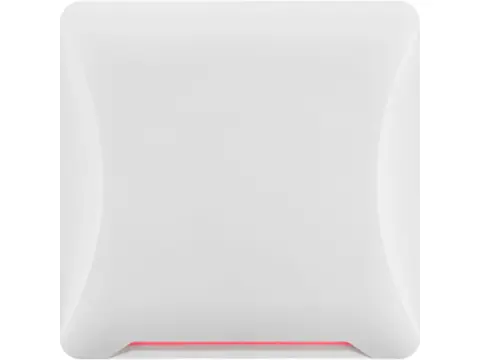
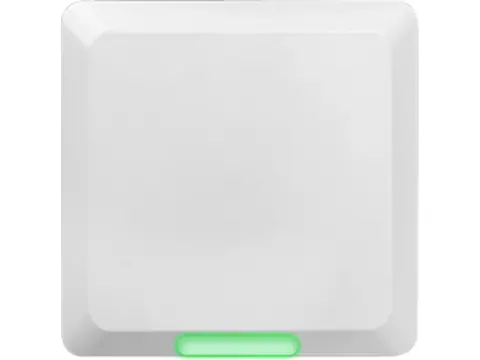
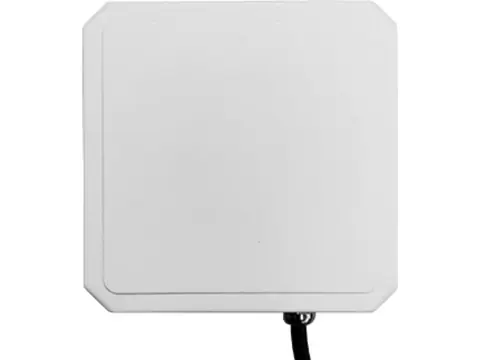
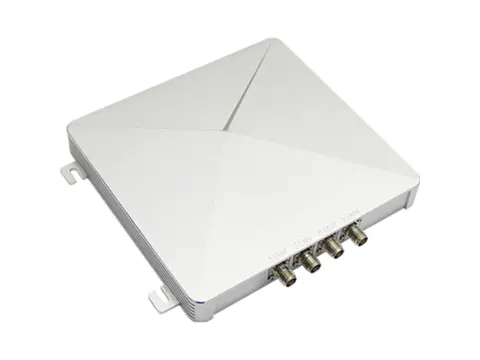
- Fixed readers or multi-port modules watch room exits, tool-crib windows and smart cabinets.
- Industrial HF read/write heads sit at machines and read tags on molds, fixtures or pallets at short range.
- Asset software holds the register, check-in and check-out records, and audit history.
| Asset type |
Surface |
Recommended tag family |
Mounting method |
| Laptops, monitors, servers |
Metal or plastic chassis |
Flexible on-metal label; frangible version for tamper evidence |
Adhesive on a flat area away from vents |
| Hand and power tools |
Small metal or composite parts |
Small ceramic or PCB on-metal tag |
Adhesive plus epoxy in a recess, or PCB/FPC tag embedded in the handle |
| Gas cylinders |
Curved steel or aluminum |
Ceramic or small on-metal tag; tie-on tag as an alternative |
On the collar or valve guard; tie-on around the neck |
| Molds, dies, fixtures |
Machined steel |
HF (ISO/IEC 15693) tag read by an industrial head, or rugged UHF on-metal tag |
Recessed pocket with epoxy or screws |
| Rental and construction equipment |
Painted steel, outdoors |
Rugged ABS on-metal tag |
Screws or rivets through the housing |
| Racks, cages, cable bundles, archive boxes |
Mixed or non-flat |
Cable-tie or tie-on tag |
Through a hole or around a rail |
Never drill, weld or bond anything to the pressure-bearing shell of a gas cylinder. For the physics behind on-metal construction, read Does RFID work on metal?, then compare on-metal tags and ceramic tags.
Typical read ranges: handheld vs fixed
These are datasheet figures for the tag families we supply. On-metal families are rated mounted on metal. Treat them as upper bounds: band, reader power, antenna gain and the asset itself all change the result, as explained in our UHF read range guide.
| Tag family |
Fixed reader |
Handheld reader |
| Rugged ABS on-metal |
about 5–13 m |
about 2.5–5 m |
| PCB on-metal |
about 2.6–10 m |
about 1.6–6 m |
| Ceramic |
about 3.5–6 m |
about 1.5–4 m |
| Flexible on-metal label |
about 0.6–6 m |
up to about 2 m |
| Cable-tie and tie-on tags |
about 0.3–10 m |
about 0.1–2.5 m |
| HF tag with industrial read head |
about 50–110 mm maximum, head and tag dependent |
not applicable |
Hardware selection by location
| Location |
Recommended hardware type |
Key spec to check |
| Offices, server rooms, field audits |
Android UHF handheld |
Band version, adjustable power, barcode imager, battery |
| Tool crib or smart cabinet |
4- or 8-port UHF reader module with PCB or ceramic antennas per shelf |
Port count, power range, TTL UART command set |
| Room exits and yard gates |
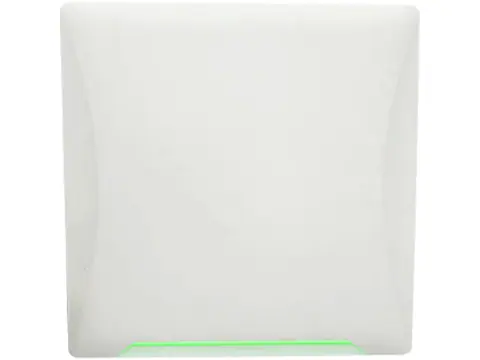
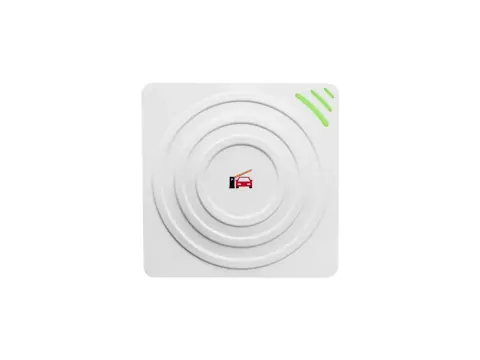
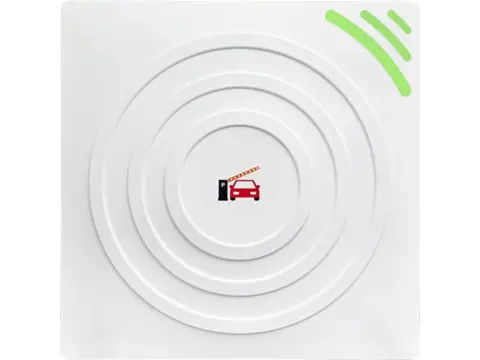
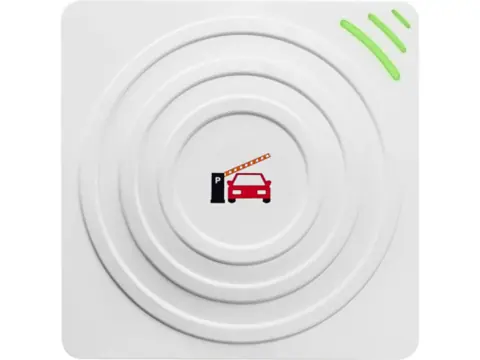
Fixed multi-port reader with circular antennas, or an integrated long-range reader |
Read-zone size, GPIO, TCP/IP |
| Machines and production lines |
IP67 industrial HF read/write head |
ISO/IEC 15693 support, RS485 Modbus RTU or Modbus TCP, M12 connector |
| Rental counter or enrollment desk |
USB desktop UHF reader/writer |
Short read range, EPC and User memory write |
Integration and installation notes
Typical bill of materials
- Tags by asset family: flexible on-metal labels, ceramic or PCB tags, rugged ABS tags and cable-tie tags
- Handheld readers: Android UHF handhelds with spare batteries
- Desktop reader/writer: USB UHF unit for encoding and enrollment
- Smart cabinet electronics: multi-port UHF reader modules, PCB or ceramic antennas and RF cables
- Exit and gate readers: fixed readers with circular antennas, or integrated long-range readers
- Production tooling: IP67 industrial HF read/write heads, M12 cables and HF tags
- Site items: adhesives, rivets or epoxy matched to each surface, usually sourced locally
A tag’s range only means something with a specific reader, antenna and band. Buying both from one supplier lets you test them as a set: we send tag samples in the band that matches your readers, confirm connectors and cable lengths for cabinet and portal antennas, and supply the command-set documentation your developers need for the modules. Tags, handhelds, modules and industrial heads go on one RFQ and ship together, and readers are checked before dispatch.
Next steps
Send photos of each asset type showing the mounting area, quantities per asset family, the country of use and how each asset is checked in, out or audited today. We will shortlist tags to sample, recommend readers per location and quote within 24 hours.